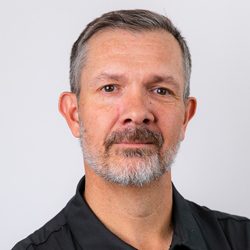
Joseph Wang
University of California San Diego (UCSD), USA
Joseph Wang is a Distinguished Professor of Chemical and Nanoengineering, a SAIC Endowed Professor and the Director of the Center of Wearable Sensors (CWS) at the University of California San Diego (UCSD), La Jolla USA. Before joining UCSD at 2008, Wang served as the Director of the Center of Bioelectronics at the Biodesign Institute of ASU (Tempe, AZ). Dr. Wang has made pioneering contributions to the fields of wearable sensors, biosensors, electroanalytical chemistry, remote in-situ environmental sensors, multi-modal sensors, and microscale robots. ...He is a member of the US National Academy of Inventors, and of the European Academies of Engineering and of Science and Arts, and a fellow of the RSC, ECS and AIMBE. He has authored over 1300 research papers, 12 books, and 60 patents. Wang has been a Thomson Reuters Highly Cited Researcher since 2015 (H Index 222). Wang holds Honorary Professor from 11 different universities and is the recipient of 3 National American Chemical Society (ACS) Awards for Analytical Chemistry (2024), Electrochemistry (2006) and Instrumentation (1999), of the Ralph Adams Pittcon Award in Bioanalytical Chemistry, of the Talanta Medal, 2021 IUPAC Analytical Chemistry Medal, the Breyer Medal (Australia), Heyrovsky Medal (Czech Republic) the Speirs Medal (RSC), and the IEEE Sensor Achievement Award, 2021.
https://joewang.ucsd.edu/

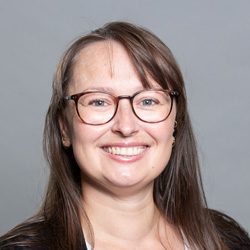
Mira Petrović
Catalan Institution for Research and Advanced Studies, Barcelona, Spain
Mira Petrović is an ICREA (Catalan Institution for Research and Advanced Studies) Research Professor and Deputy Director of Research at the Catalan Institute for Water Research (ICRA), where she leads the research line on contaminants in water treatment processes. She is an expert in environmental analytical chemistry, with research focused on emerging contaminants, their occurrence, fate and behaviour in water treatment and aquatic environments, and the development of advanced analytical methods based on LC-HRMS, suspect screening and non-target analysis. Her work also explores the use of wastewater biomarkers to assess human exposure to hazardous chemicals. ... She obtained her PhD in Chemistry from the Faculty of Chemical Engineering and Technology, University of Zagreb, Croatia, and has built an internationally recognized career in water quality and safety research. She has authored over 300 scientific papers, 30+ book chapters, and edited several books, and has coordinated and contributed to numerous European and national research projects in the field of water monitoring and emerging contaminants.
https://www.icrea.cat/community/icreas/17742/mira-petrovic/

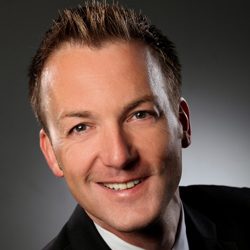
Jürgen Popp
Leibniz Institute of Photonic Technology, Jena, Germany
Jürgen Popp studied chemistry at the Universities of Erlangen and Würzburg. After obtaining his PhD in chemistry, he conducted postdoctoral research at Yale University (USA). He then returned to the University of Würzburg, where he completed his habilitation in 2002. In the same year, he was appointed to the Chair of Physical Chemistry at Friedrich Schiller University Jena, a position he has held ever since. Since 2006, he has also served as Scientific Director of the Leibniz Institute of Photonic Technology (Leibniz-IPHT) in Jena....
Jürgen Popp is internationally recognized as one of the leading experts in biophotonics and optical health technologies. His research spans the entire innovation chain - from the fundamental development of photonic methods to the translation of optical technologies into clinically applicable diagnostic and therapeutic procedures. A particular focus of his work is the development and clinical implementation of Raman spectroscopic approaches in combination with innovative AI-based methods for biomedical and bioanalytical applications.
He is the author of more than 1,140 peer-reviewed publications, which have been cited over 40,600 times (h-index 88), and is the inventor of 21 patents. Jürgen Popp has delivered more than 200 invited lectures worldwide, including over 60 keynote and plenary talks, and has organized numerous international conferences and workshops, including the International Conference on Raman Spectroscopy (ICORS) in 2014.
He is Editor-in-Chief of the Journal of Biophotonics and the Journal of Raman Spectroscopy and serves as a leading partner in many national and international research projects involving academic, clinical, and industrial collaborators. Under his leadership, the Leibniz Center for Photonics in Infection Research (LPI) was included in the German federal government’s national roadmap for research infrastructures and is supported with funding in the triple-digit million-euro range to accelerate translational photonics-based research.
Jürgen Popp is a member of the Executive Board of Photonics21 and is regularly consulted as an expert by media and policymakers. His numerous awards include the Pittsburgh Spectroscopy Award, an honorary doctorate from the University at Albany, State University of New York, the Charles Mann Award of the Federation of Analytical Chemistry and Spectroscopy Societies, the SPIE Biophotonics Innovation Award and the Ellis R. Lippincott Award.
https://www.leibniz-ipht.de/en/departments/spectroscopy-and-imaging/

Sandra Babić
University of Zagreb Faculty of Chemical Engineering and Technology, Zagreb, Croatia
Sandra Babić is a Full Professor at the Department of Analytical Chemistry, University of Zagreb Faculty of Chemical Engineering and Technology (FKIT), Croatia. She received her PhD in 2003 from the University of Zagreb. Her research in the field of Environmental Analytical Chemistry focuses on the development of advanced chromatographic and sample preparation methods for the determination of organic micropollutants in complex environmental samples, as well as on investigation of their fate and behaviour in the environment and during advanced wastewater treatment. ...She has published more than 100 peer-reviewed scientific papers and several chapters in books. In 2024, she received the Andrija Mohorovičić Award from the University of Zagreb for scientific achievements and contributions to the promotion of science, knowledge transfer, and the education of young experts in the field of natural sciences. She had several academic responsibilities at FKIT, including Vice Dean for International Cooperation (2007 - 2009), Head of Doctoral Study programmes (2008 - 2017), and Head of the Department of Analytical Chemistry (2009 - 2011 and 2019 - 2021).
#

To be announced ...

To be announced ...
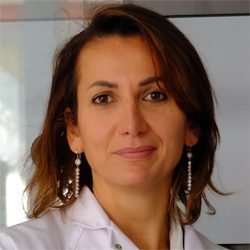
Fabiana Arduini
University of Rome Tor Vergata, Italy
Fabiana Arduini is a Full Professor at Department of Chemical Science and Technologies, University of Rome “Tor Vergata”, founder of start-up SENSE4MED, Quality Assurance Manager at ISO9001 Certified Laboratory LabCap, University of Rome "Tor Vergata”, Editor of Green Analytical Chemistry Journal, Elsevier, Associated Editor of Microchemical Journal, Elsevier, Associated Editor of Microchimica Acta, Springer, Member of Editorial Advisors Analytical Chimica Acta, Elsevier, Member of the Editorial Board Biosensors and Bioelectronics, Elsevier. ...She is a member of the Italian commission composed of scientists of "high renown" established by the Italian Minister of Defence in 2024 to update the studies carried out to date on the consequences deriving from exposure to depleted uranium and CnGE, CapTech CBRN&HF, European Defence Agency. Her research activity deals with the development of miniaturised electrochemical devices mainly using screen-printed electrodes modified with nanomaterials and paper-based analytical tools applied in environmental, biomedical, agrifood, and defense sectors, with over 200 articles published in peer-review journals, H index 68 (Scopus source), > 10 patents, coordinators of several national/international projects including Horizon Europe Pathfinder project Phoenix-OoC (March 2024- February 2027). Her name is listed among the top 2% of most cited researchers in the world.

Daniel Citterio
Keio University, Japan
Daniel Citterio received his Doctoral degree in Natural Sciences (Dr. sc. nat.) from the Swiss Federal Institute of Technology (ETH) in Zurich (Switzerland) in 1998. After postdoctoral research at Keio University in Japan, post-graduate studies at ETH Zurich and work at Ciba Specialty Chemicals (Switzerland), he returned to Keio University, where he became a tenured Associate Professor in 2009 and full Professor in 2014. His research focuses on the development of low-cost analytical devices for point-of-need applications. ...This includes new signaling schemes enabling instrument-free (semi)quantitative result readout, as well as the adaptation of various types of assays to paper and other low-cost platforms for on-site analysis with high user-friendliness. Since 2021, he is a co-Editor-in-Chief of Sensors and Actuators B: Chemical (Elsevier). He also serves on the Editorial Advisory Board of ACS Sensors (ACS). In 2022, he has been awarded the Chemical Society of Japan Award for Creative Work.

Spas Dimitrov Kolev
University of Melbourne, School of Chemistry, Australia
Spas Dimitrov Kolev graduated from Sofia University “St. Kliment Ohridski” (Bulgaria) and completed his PhD degree at the Budapest University of Technology and Economics (Hungary). He is an Honorary Professor of Chemistry in the School of Chemistry of the University of Melbourne and Fellow of the Royal Australian Chemical Institute. Most of his research is focused on the development of flow systems for automatic chemical analysis and polymer inclusion membranes for separation and preconcentration in industry and chemical analysis. ...He has published 260 refereed journal articles, 17 refereed conference papers, 9 book chapters, and has co-edited a book entitled ‘Advances in Flow Injection Analysis and Related Techniques’ (Elsevier, 2008). He has delivered 70 invited, keynote or plenary lectures at international conferences. Spas Kolev is the Editor-in-Chief of Talanta (Elsevier, Impact Factor 6.7), Founding Editor-in-Chief and current Editor-in-Chief of Membranes (MDPI, Impact Factor 4.2) and member of the editorial or advisory boards of Sensors, Environmental Modeling and Assessment, and International Journal of Analytical Chemistry. He is the recipient of the Medal of the Japanese Association for Flow Injection Analysis (2010), Lloyd Smythe Medal (2009) and the Environmental Chemistry Medal (2017) (both from the Royal Australian Chemical Institute), Ronald Belcher Memorial Award (1988, Talanta), Max O'Connor Prize (2017, La Trobe University, Australia), and Grimwade Prize in Industrial Chemistry (2013, The University of Melbourne).

Diane Eichert
Elettra Sincrotrone Trieste, Italy
Attila Felinger
University of Petcs, Hungary
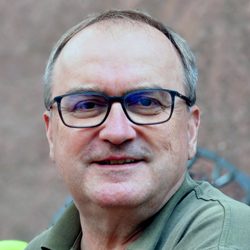
Attila Felinger is a Professor of Analytical Chemistry at the University of Pécs (Hungary). He is the head of the Analytical and Environmental Chemistry Department at the Faculty of Sciences, and he is at the helm of the Institute of Bioanalysis at the Medical School (both at the University of Pécs). In addition, he serves as President of the Hungarian Society for Separation Sciences. He graduated with a degree in chemical engineering from the University of Veszprém (Hungary) and obtained his PhD in analytical chemistry in 1988 from the same university. ...His research interests focus on the fundamentals of chromatography including nonlinear and analytical separations, as well as the chemometric analysis of analytical measurements. In 2016 he was elected as a member of the Hungarian Academy of Sciences.

Valérie Gabelica
University of Geneva, School of Pharmaceutical Sciences, Switzerland
Valérie Gabelica obtained her PhD in Chemistry in 2002 at the University of Liège in Belgium. After a postdoc in Frankfurt as Humboldt fellow, she rejoined the Mass Spectrometry Laboratory in Liège where she obtained a permanent position as FNRS research associate in 2005. In 2013, she joined the Institut Européen de Chimie et Biologie (Bordeaux, France) with an appointment as research director of the INSERM (French National Institute for Health and Medical Research). She served as the director of the IECB from 2021 to 2023. ...In January 2024, she was appointed as Full Professor in Analytical Chemistry at the University of Geneva, in the School of Pharmaceutical Sciences. She obtained an ERC Consolidator grant in 2014, ERC Advanced grant in 2026, and was awarded several research prizes (Liliane Bettencourt Prize for Life Sciences, Heinrich Emanuel Merck Award for Analytical Sciences, INSERM research prize). Her research combines mass spectrometry, ion mobility and spectroscopy to understand biomolecular structure, interactions and dynamics. A central goal is to transform mass spectrometry into a quantitative tool for molecular biophysics and structural analysis.

Ester Heath
Jožef Stefan Institute, Ljubljana, Slovenia
Prof. Dr. Ester Heath is currently a researcher at the Jožef Stefan Institute and a Professor of Ecotechnology at the International Postgraduate School Jožef Stefan in Ljubljana, Slovenia. After earning her PhD in Chemistry – Environmental Organic Analysis in 1998 from the University of Ljubljana, she spent two years as a postdoctoral researcher at McGill University in Montreal, QC, Canada. Prof. Heath has been the Head of the Group for Organic Analysis within the Department of Environmental Sciences at the Jožef Stefan Institute for 20 years. ...Her research focuses on the application of organic analytical chemistry to the occurrence, cycling, and effects of residues of contaminants of emerging concern in environmental, food, and health-related matrices. Prof. Heath is the Slovene representative to the Division of Chemistry in the Environment of the European Chemical Society (EuChemS), Executive Editor of the Springer journal Environmental Science and Pollution Research, and an expert for the EFSA Panel on Food Contact Materials, Enzymes and Processing Aids. In 2022, she received the Zois Award for outstanding achievements in applying organic analysis to the environment, food, and health.

Charles Henry
Colorado State University, USA
Dr. Charles Henry is University Distinguished Professor of Chemistry and Biomedical & Chemical Engineering at Colorado State. He also serves as CEO for Burst Diagnostics, Inc. He received his B.S. degree with Honors in Chemistry from Missouri Southern State College and Ph.D. in Analytical Chemistry under the supervision of Dr. Ingrid Fritsch at the University of Arkansas. He was an NIH postdoctoral fellow at the University of Kansas under the supervision of Dr. Susan Lunte. ...He was a Fulbright Scholar and has been the receipt of the 2019 ACS Measurement Science Award, the 2020 CSU CNS Nobel Laureate Award, the 2025 ACS Analytical Division Electrochemistry Award, and the 2026 Charles N. Reilley award from SEAC. He is an associate editor for Analytica Chimica Acta. Dr. Henry has founded multiple startups from his academic laboratory, including Advanced MicroLabs, Access Sensor Technologies, and Burst Diagnostics. His research interests lie broadly in the areas of microfluidics, electrochemistry, and sensors with application to questions in bioanalytical and environmental chemistry. This includes development of electrochemical paper-based microfluidic devices, electrochemical capillary flow microfluidic devices, and electrochemical sensors.

Adela Krivohlavek
Andrija Štampar Teaching Institute of Public Health, Zagreb, Croatia

Sílvia Lacorte
Institute of Environmental Assessment and Water Research, Barcelona, Spain
Bernhard Lendl
TU Wien, Austria
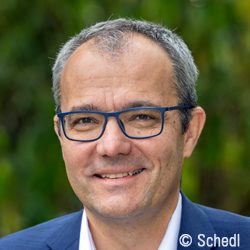
Bernhard Lendl is a chemist and researcher known for his pioneering work in analytical chemistry, particularly in mid-IR laser based spectroscopy. His research interests include infrared and Raman spectroscopy, lab-on-a-chip systems and integrated photonics. Lendl currently holds a professorship at the TU Wien in Vienna, Austria, where he leads a research group that focuses on the development and application of novel sensing schemes for gases, liquids and nanoscale imaging in different fields including process analytical chemistry, material characterization and the life sciences. ...He is an Honorary Professor at Nottingham University and co-founded QuantaRed Technologies GmbH. He received the Robert Kellner Lecture Award (2015), the Agilent Thought Leader Award (2021) and the Norman Sheppard Award of the Infrared and Raman Discussion Group (2022). Since 2025 he is member of the Sceintific Asdvisory Board of the Center fo Molecular Fingerprinting, CMF (founded by Nobel laurate Ferenc Krausz) in Hungary. He has granted patents in Austria, Europe, the United States, Canada, China, Russia, and Japan.

Federico Marini
Sapienza University of Rome, Italy
Manuel Miró
University of the Balearic Islands, Spain
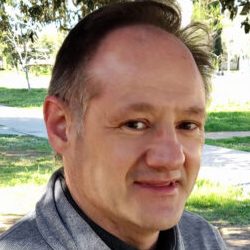
Manuel Miró is currently Full Professor in Analytical Chemistry at the University of the Balearic Islands, Spain. He is the Reviews Editor of the journal Analytica Chimica Acta since 2007, Editor in Chief of the Encyclopedia of Analytical Science, 4th Edition and IUPAC member of the subcommittee on Chemical and Biophysical Processes in the Environment. His publication record shows over 250 refereed publications including 16 book chapters with an h-index of 47 and over 7300 citations. He has delivered 67 talks as a Keynote/Plenary lecturer and has been the chief investigator of 21 research projects in the fields of miniaturization, automation, 3D printing, environmental analysis and exposomics.
Maria Montes-Bayón
University of Oviedo, Spain
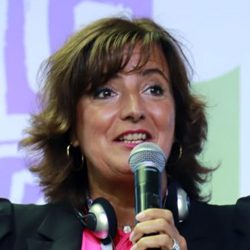
Maria Montes-Bayón is Full Professor in Analytical Chemistry in the Department of Physical and Analytical Chemistry at the University of Oviedo (Spain) since December 2017. Prof. Maria Montes-Bayón holds a bachelor in Chemistry (1993, University of Oviedo, Spain), bachelor-thesis in Analytical Chemistry (1994, University of Plymouth, UK and Oviedo) and a PhD (1999, University of Oviedo; awarded) degree. In the year 2000, she joined the research group of Prof. Joseph A. Caruso at the Department of Chemistry at the University of Cincinnati (Ohio, USA) as Postdoctoral Fulbright Fellow. ...She got back to Oviedo with a Ramon y Cajal contract and was promoted in 2008 to Associate Professor and in 2017 to Full Professor of Analytical Chemistry. She has supervised 19 PhD students since 2007 and mentor of 6 postdocs who built up a successful career afterwards. She has given >50 invited and plenary lectures in national and international congresses and conferences and co-authors 190 publications including original research articles, reviews, and several book chapters (H-index=48 Scopus and 53 Google Scholar). She has got funding through 30 international/national/regional research projects (17 of the as PI) and is associate editor of the journal Metallomics (RSC/OUP) since 2015. Currently, she has been elected as President of Spanish Society for Analytical Chemistry since 2022 and National Representative of the Analytical Chemistry Division of IUPAC for 2026-2027. In 2013 she was awarded with the Bunsen-Kirchhoff award and in 2023 with the Lester W. Strock award. Her main research interests are: a) Development of quantitative strategies for determination of molecular biomarkers of clinical relevance at the single cell level using ICP-MS; b) Evaluation of encapsulated metallodrugs for their potential use in chemotherapy using mass spectrometry: a focus on cellular resistance mechanisms; and c) analytical tools to study biomedical aspects of nanoparticles: biogenic nanoparticles and metal nano-debris from metallic implants.

Nives Ogrinc
Jožef Stefan Institute, Ljubljana, Slovenia
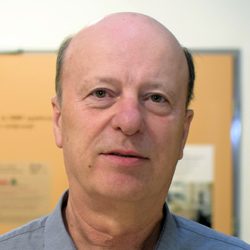
Janez Plavec
Slovenian NMR Centre, National Institute of Chemistry, Ljubljana, Slovenia
Janez Plavec is the head of the Slovenian NMR Centre at the National Institute of Chemistry (NIC) and Professor of Structural Biology at the University of Ljubljana. He obtained his diploma in 1987 at the UL Faculty of Chemistry and Chemical Technology and received his M. Sc. degree in 1990 at the same faculty. His Ph.D. degree was conferred by Uppsala University, Uppsala, Sweden in 1995 under the supervision of Prof. Jyoti Chattopadyaya. He was Fulbright fellow at Georgia Institute of Technology, Atlanta, GA, USA in 2002. ...He has been employed at NIC since 1987 and has been head of the Slovenian NMR center since 1996. He received the Zois award for Excellent Achievements in structural studies of nucleic acids with nuclear magnetic resonance in 2017, Indian Society of Chemists and Biologists Prize for Excellence in 2018 and the appreciation award for many years of mentoring and all-round support for the Krka prizes, on the occasion of 50-year anniversary of Krka prizes in 2020, and Pregl Grand Prize for Research in 2024. Research interests of J. Plavec include studies of structure and dynamics of bio-macro-molecular systems with NMR, structural studies of nucleotides and the building blocks of nucleic acids, protein structure, interactions of small molecules and metal ions with DNA and RNA oligonucleotides.

Anika Retzmann
University of Calgary, Canada
Anika Retzmann is a postdoctoral researcher in the Department of Physics and Astronomy at the University of Calgary, Canada, specializing in trace-element and stable metal isotopic analysis. She earned her doctorate in Analytical Chemistry in 2020 from the University of Natural Resources and Life Sciences Vienna, Austria, and subsequently held postdoctoral positions in Austria and Germany. ...Her independent research has been supported by the Adolf Martens Fellowship, the Leopoldina Postdoc Scholarship, and the Robson DNA Science Centre Postdoctoral Fellowship, and she received the 2025 Division Award for Analytical Chemistry of the German Chemical Society. Her research focuses on developing advanced analytical approaches, including fully automated analyte purification procedures and high-precision mass spectrometry, to investigate the roles of essential elements in biological systems through their isotopic signatures. Most recently, she pioneered the integration of a nitrogen-based microwave inductively coupled atmospheric-pressure plasma (MICAP) ion source with multi-collector mass spectrometry for stable metal isotopic analysis. Anika has authored 25 peer-reviewed publications and contributes to the analytical chemistry community, currently serving as chair of the Working Group Archaeometry of the German Chemical Society.

Martin Schmid
Karl-Franzens-University, Graz, Austria
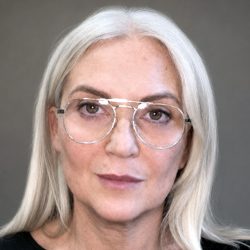
Luisa Torsi
Università degli Studi di Bari A. Moro, Italy
Luisa Torsi, elected member of the Accademia dei Lincei and international member of the National Academy of Engineering, is internationally recognized as a pioneer in bioelectronic sensors and highly sensitive diagnostic electronic and optical platforms. She holds a degree in Physics and a PhD in Chemistry from the University of Bari, where she became Full Professor of Chemistry at 40. After a postdoctoral fellowship at Bell Labs, she developed an interdisciplinary research approach combining electronic devices, analytical chemistry, and organic semiconductors. ...She has also served as adjunct professor at Åbo Akademi University, Vice President of the Scientific Council of Italy's National Research Council, and is currently President of ARTI Puglia and Chair of her Department. Torsi has received major international honors, including the Heinrich Emanuel Merck Award for Analytical Sciences—the first woman to receive it—the Exner Medal, the Premio del Presidente della Repubblica from the Accademia dei Lincei, and an honorary doctorate from Åbo Akademi University. She is a Fellow of the Materials Research Society and the Royal Society of Chemistry, and was the first woman elected President of the European Materials Research Society. Author of almost 300 publications, nearly 22.000 citations, and 14 patents, she ranks among the top 2 % most-cited chemists worldwide. She has delivered over 230 invited talks, including more than 60 plenaries, and led major national and EU projects, including an ERC Advanced Grant. Her work spans early cancer biomarker detection and Xylella detection in Apulian olive trees. She is also active in science communication and promoting women in STEM.

Martin Vogel
University of Münster, Germany
Martin Vogel is a senior scientist and lecturer at the University of Münster/Germany, where he is involved in teaching general chemistry and analytical chemistry for undergraduate and graduate students. He has been active in the Division of Analytical Chemistry of the German Chemical Society (GDCh) for many years, and is currently chairman of GDCh’s Working Party Separation Science. He also member of the steering committee of the Division of Analytical Chemistry (DAC) of the European Chemical Society (EuChemS). ...Within DAC, his focus is directed especially towards educational topics. Also, he is currently one of the three column editors of “ABCs of Education and Professional Development in Analytical Science”.
https://www.uni-muenster.de/Chemie.ac/en/karst/group/vogel.html